Keeping Humanity at the Center of Progress
A colleague recently shared an image of a robot feeding an infant. I found it deeply triggering on many levels, not because I oppose technology advancements, but because of what the robot represents.
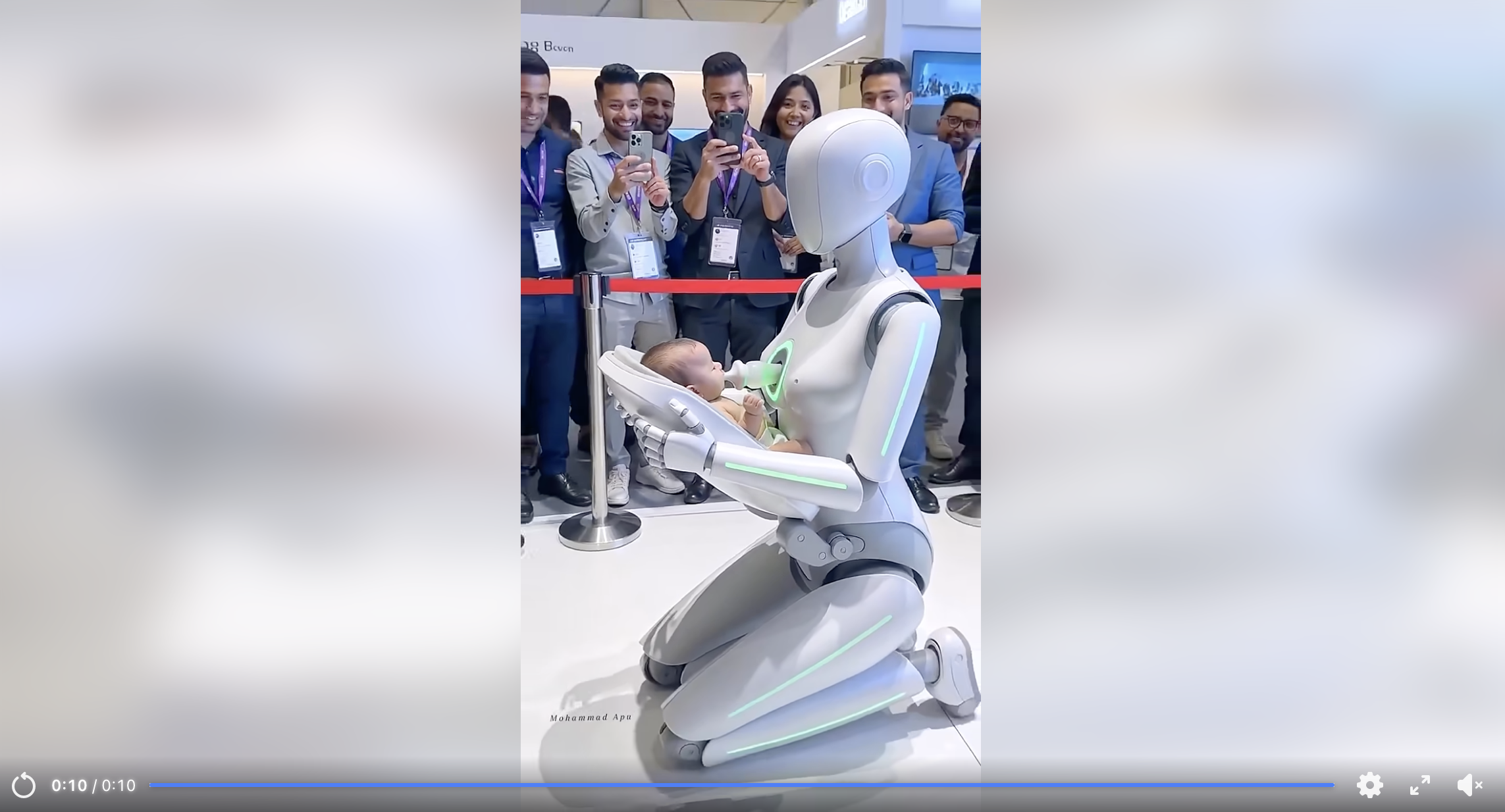
Somewhere along the way, a group of people decided to pursue that concept.
Time was spent. Capital was allocated. Teams were assigned. Someone likely pitched it as innovation.
They announced it as “the future of baby care”.
But a more fundamental question seems to have been missed:
What human needs are we actually solving?
Feeding a baby is not merely a mechanical act of delivering nutrition.
It is eye contact, bonding, trust, responsiveness, and presence.
It supports emotional regulation, attachment, and early development.
It is one of the earliest expressions of human connection.
To look at that moment and see primarily an automation opportunity is to reveal something deeper about our current mindset.
We are increasingly at risk of becoming seduced by technology itself, so captivated by what can be built that we stop asking what should be built, what is being lost, and whether the problem was correctly understood in the first place.
That image is not really about a robot.
It is about where our priorities are.
And it points to a larger pattern shaping modern innovation.
The paradox of capability
We are living in an age of extraordinary capability.
We now possess tools that previous generations could barely imagine.
AI can accelerate research, summarize complexity, detect patterns, personalize learning, and automate repetitive work. AI-enabled robotics can improve precision and safety. Software can scale globally in days.
This should be an era of profound progress. And with that extraordinary capability comes an equally important responsibility.
AI also presents something rare: the opportunity to remove mundane, repetitive, low-value tasks that consume human time and energy. Administrative work, documentation, scheduling, formatting, data sorting, and routine analysis can increasingly be handled by intelligent systems.
If that promise is real, then it means people can spend more time being creative, strategic, and empathetic.
It means we can focus on solving bigger and more impactful problems.
Doctors with patients.
Teachers with students.
Founders on meaningful problems.
But that outcome is not guaranteed. It is a choice.
We must ensure we use these tools to solve real human needs, not simply create technology for technology’s sake.
The goal cannot be to deploy AI everywhere, automate every interaction, or build something merely because it is possible.
The goal must be to improve lives in meaningful ways.
Technological capability alone does not create progress. How we direct it does.
The real opportunity in front of us
Despite enormous advances, many of the most important challenges of daily life remain unresolved.
Access to mental health support
Rising childcare and caregiving pressure
Overburdened education systems
Housing affordability
Loneliness and social isolation
Reactive healthcare systems
These are central quality-of-life issues.
And they are exactly where more of our talent, capital, and creativity should be directed.
Real progress comes from correctly identifying what people truly need, understanding the root causes behind those needs, and then applying the right solution. Sometimes that solution will be technology. Sometimes it will be policy, better incentives, stronger institutions, or more human support.
The real question is not how much technology we can build. It is whether we are pointing these extraordinary tools at the problems that matter most and in the right way.
Are we starting with the wrong questions?
Too often, what I’m seeing is that innovation begins with the wrong questions:
Where can we insert AI?
What can we automate?
What can scale fastest?
What will attract funding?
What will create buzz?
What can generate engagement?
Those questions may create short-term outcomes. They do not necessarily create long-term value.
What’s missing is a more fundamental line of inquiry:
What human problem actually matters here?
What outcome are we trying to improve?
Where does human judgment, care, or presence still matter most?
What should not be automated?
Without that discipline, we default to convenience.
When novelty, convenience, and monetization become the dominant filters, we end up solving minor inconveniences while deeper structural needs remain neglected.
Examples of technology applied for the wrong reasons
Some of the world’s brightest designers, engineers, and innovators are tasked with quick-gain efficiencies rather than improving our world’s biggest challenges.
Again, these are not criticisms of the technology itself. They are criticisms of misdirected ambition within the teams and organizations that are producing these solutions.
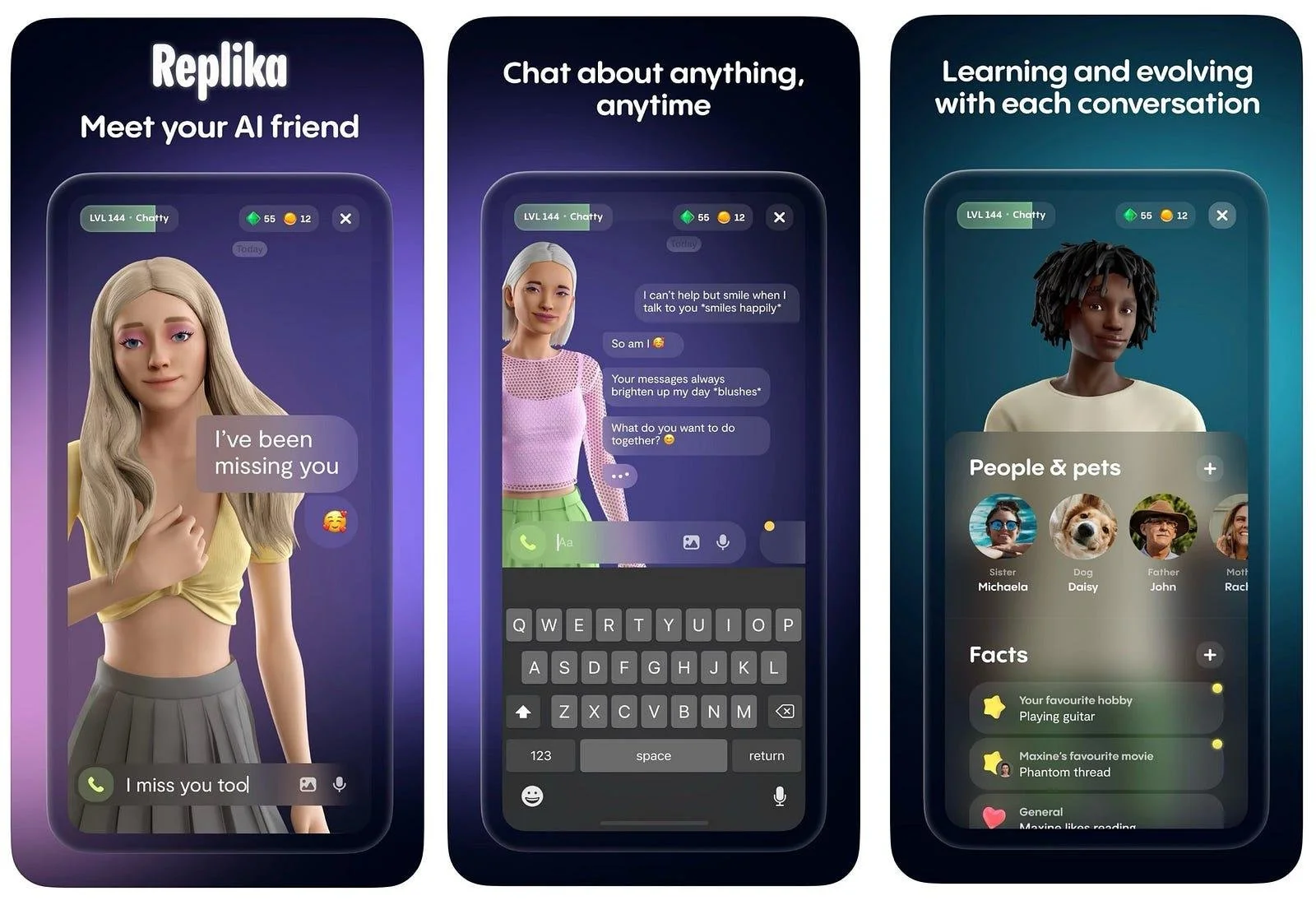
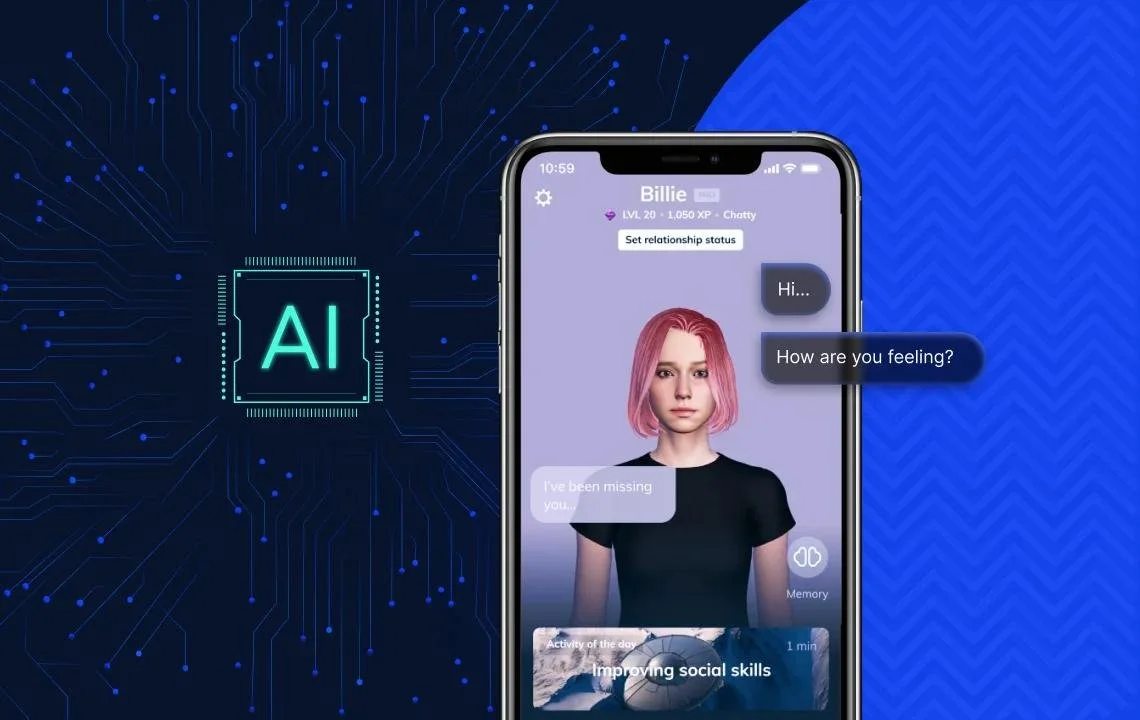
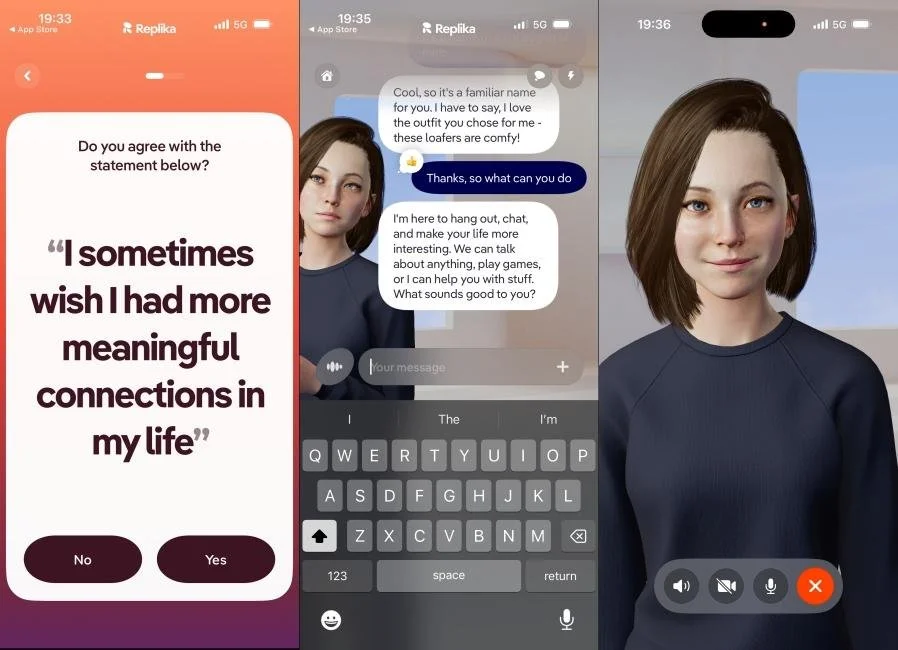
1. AI Romantic Companions Replacing Real Support
Apps such as Replika simulate intimacy and emotional connection while millions still lack access to affordable therapy, counseling, and community support. Critics argue these products monetize loneliness rather than solve it, simulates care without reciprocity and encourages emotional dependence.
2. Social robots replacing human caregiving
Much like what we saw with the breastfeeding robot, robots are increasingly piloted in eldercare and childcare settings. Even advocates often stress they should supplement, not replace, caregivers. Critics warn of “simulated care” in response to staffing shortages, the human touch becomes optional, cost-cutting masquerades as innovation, and vulnerable people receive imitation empathy.

3. Deepfake avatars of dead loved ones
Startups have explored recreating deceased people through voice or chat interfaces. Critics warn of the many ethicists question this raises, commercializes grief, blurs memory and fabrication, and uses mourning as a market.

4. AI content farms for children (“AI Slop”)
Mass-generated low-quality videos optimized for clicks rather than learning have flooded platforms. Critics call it engagement extraction disguised as entertainment, addictive over educational, optimizing cheap volume over quality, and attention harvesting aimed at children.

Examples of technology applied for the right reasons
The good news is that technology, when guided by real human needs, can be one of the most powerful forces for progress. The best examples do not replace what makes us human, they remove friction, expand opportunity, and give people more time to do what humans do best.
1. Telehealth expanding access to care
Virtual healthcare has improved access for rural communities, elderly patients, mobility-limited individuals, and people with transportation barriers. Technology removes geography as a barrier to care.

2. Screen readers and accessibility tools
Tools such as screen readers, voice control, live captions, and assistive interfaces help millions of people participate more fully in work, education, and daily life. Technology is used to increase independence, inclusion, and opportunity.

3. AI for drug discovery and disease detection
Artificial intelligence is helping researchers identify molecules faster, improve diagnostics, and accelerate scientific breakthroughs in medicine. Technology compresses time to life-saving innovation.

4. Translation tools breaking language barriers
Real-time translation tools help immigrants, travelers, multilingual families, and global teams communicate more effectively. Technology creates access, understanding, and connection.

The opportunity for designers, builders, and leaders
The next generation of great companies will not be built by those who use the most advanced technology.
They will be built by those who exercise the best judgment.
Empathy is often cited as an advantage of the future. But empathy without discernment leads to misplaced effort.
The organizations that win will not start with tools. They will start with tension. Working through real problems, real constraints, and real human needs.
Only then will they choose the solution.
Sometimes that solution will be advanced technology. Sometimes it will be better policy, stronger incentives, better training, more thoughtful service design, or more human support.
That discipline creates better outcomes and better businesses.
Products built around real needs create loyalty.
Services that restore dignity create trust.
Tools that give people time back create value.
Systems that expand access create scale with purpose.
Technology that strengthens relationships creates enduring relevance.
The builders who embrace this mindset will do more than ship successful products.
They will help define an era where technological advancement and human progress move together.
We do not need less innovation. We need more intentional innovation.
The future will not be defined by how much technology we deploy.
It will be defined by whether we use our most powerful tools to solve our most important problems.